Modern homes are built tighter now, which helps with energy efficiency, but it leads to an issue most people don’t anticipate: the air inside gets stale. First, you might just think it feels heavier in the morning or that windows fog up more often. Maybe odors hang around way too long after cooking or cleaning. It can feel weird, the air just not feeling fresh, no matter how tidy the place is. Opening windows could solve it, yet it depends on the weather, and sometimes even that doesn’t fully fix things.
HRV and ERV systems solve that problem properly by keeping fresh air moving in and stale air moving out, without wasting heating or cooling in the process.
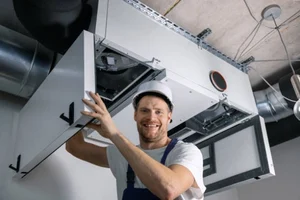
Everything is installed, connected, and balanced as a complete system. Before we leave, airflow is tested so the unit is actually exchanging air properly, not just running in the background.
Once an HRV or ERV system is working properly, the change is something you feel more than you notice. The air stops feeling stale. Rooms feel lighter. Even after cooking, cleaning, or a full day inside, the house still feels like it has been refreshed. It becomes the kind of space where you don’t feel the need to “air it out” anymore.
Each house traps and moves air in its own way. Some keep humidity downstairs, while others have trouble moving air from room to room. Plus, lots of newer homes don’t refresh the air enough by themselves. So, installing an air system is more than just putting it in; it requires understanding how air flows or doesn’t through the house. Then, you place and balance the system based on those actual conditions.
When a home is tightly sealed, heating and cooling become more efficient, but indoor air doesn’t refresh on its own. HRV/ERV systems fix that by continuously exchanging indoor and outdoor air in a controlled way. The key difference is that they recover energy from the outgoing air, so you’re not losing all your heating in winter or cooling in summer. That means better air quality without sacrificing efficiency.
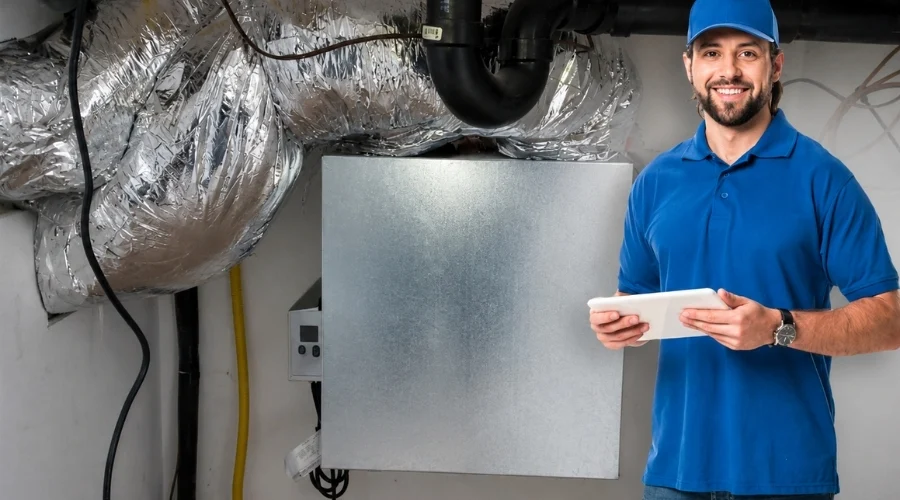
Most installations are completed in a single visit. Once the system is installed, airflow is adjusted and balanced so it’s actually performing the way it should not just switched on and left. You don’t get a half-working system. You get one that is fully set up and moving air properly before we leave.
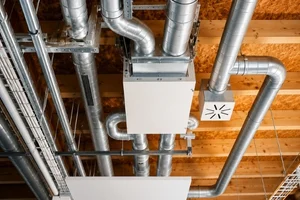
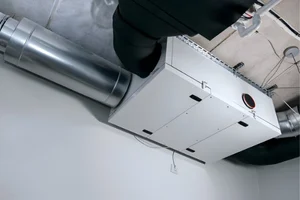
HRV units, ERV units, forced air systems, ducted heating and cooling setups, and modern sealed-home ventilation designs. The system is always integrated with what your home already has, so it works with your heating and cooling rather than against them.
People usually don’t consider air quality until it’s off. But when ventilation is correctly balanced, you notice the change daily. Triple Three Solutions Group installs HRV and ERV systems that are well integrated and designed for quiet performance. They make your home more comfy without you doing anything extra.
An HRV (Heat Recovery Ventilator) brings fresh air into your home while removing stale air and recovering heat from outgoing air.
An ERV (Energy Recovery Ventilator) does the same as an HRV but also helps manage humidity levels, making it better for humid environments.
It depends on your home’s insulation, sealing, and local climate. HRVs are better for colder climates, ERVs for more humid conditions.
Not significantly. These systems are designed to recover energy, so they reduce waste compared to simply opening windows or exhausting air.
Yes, both older and newer homes can be fitted with HRV or ERV systems depending on layout.
Most installations are completed in a single day depending on duct access and system type.
Yes, it integrates with most heating and cooling systems.
When properly installed and balanced, the system runs quietly in the background.
Typically every few months depending on usage and air quality conditions.
System setup, duct connection, electrical wiring, airflow balancing, and full testing.